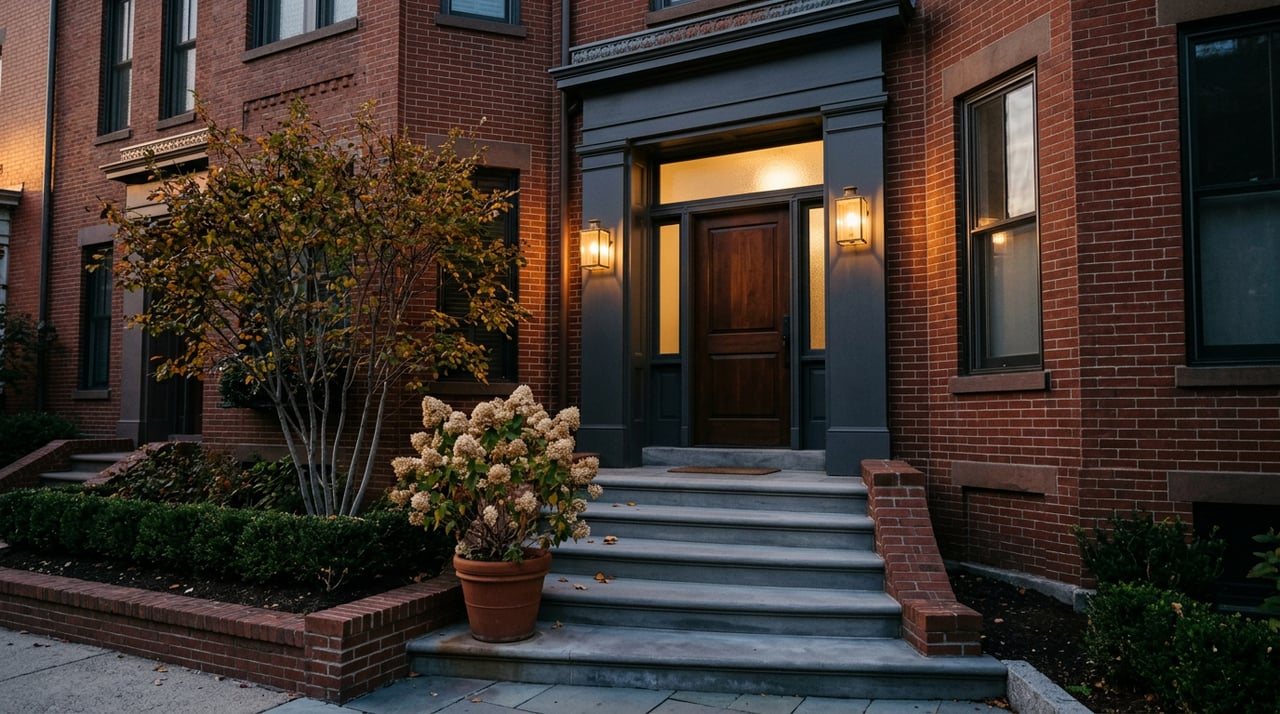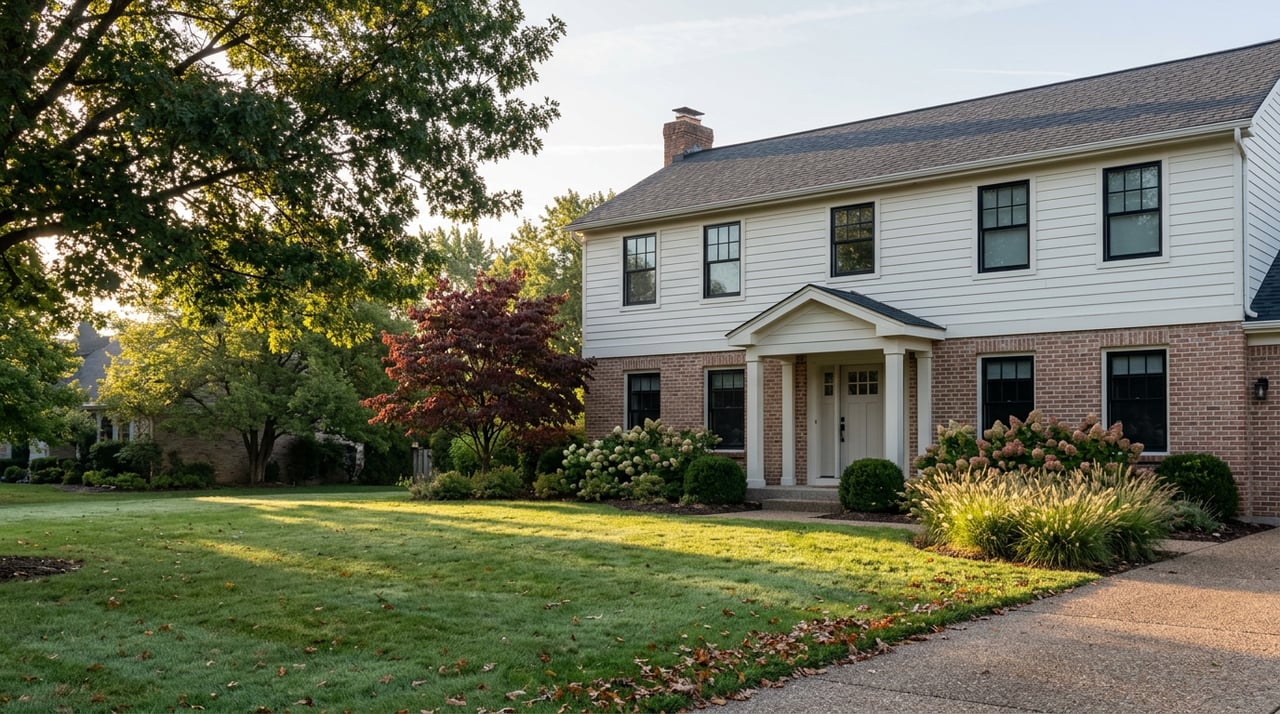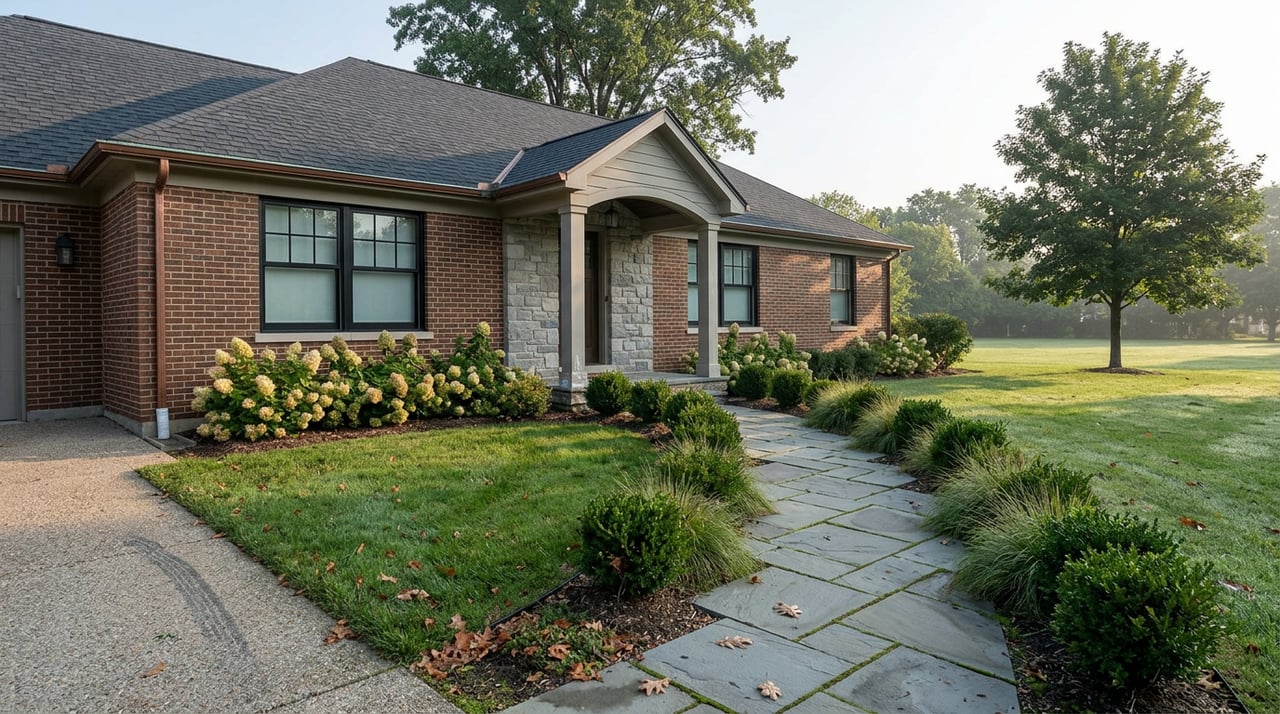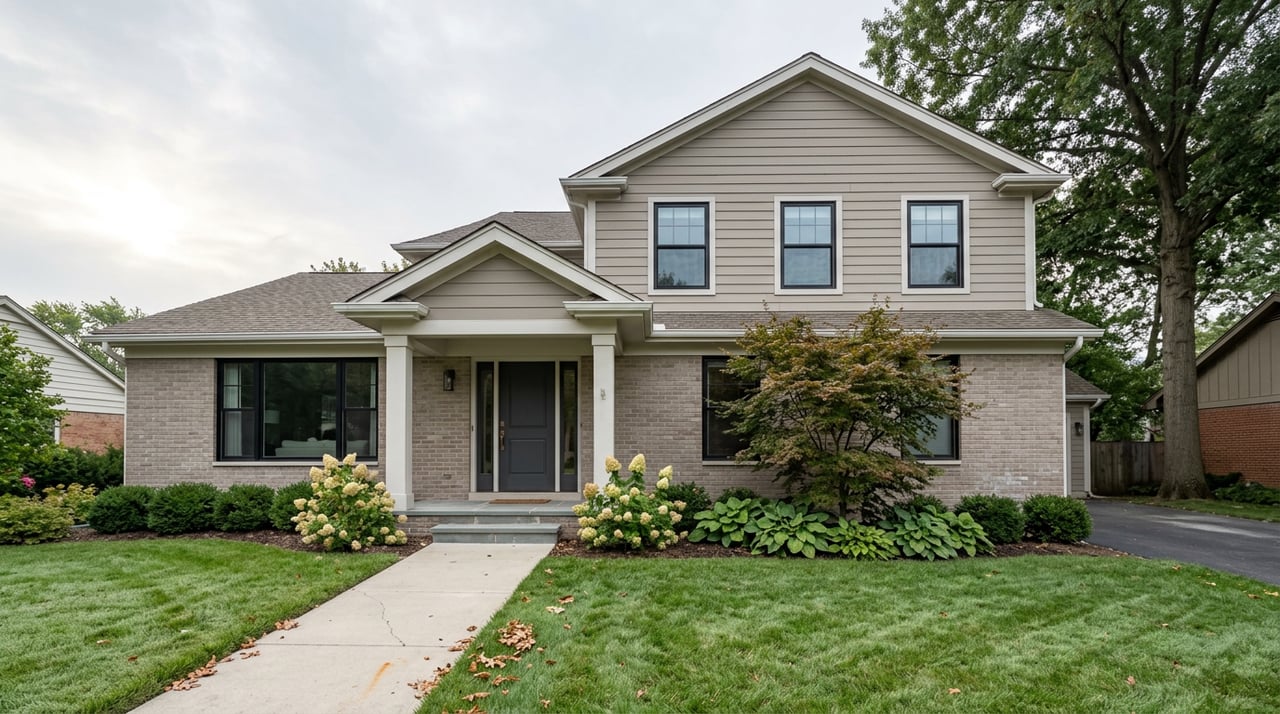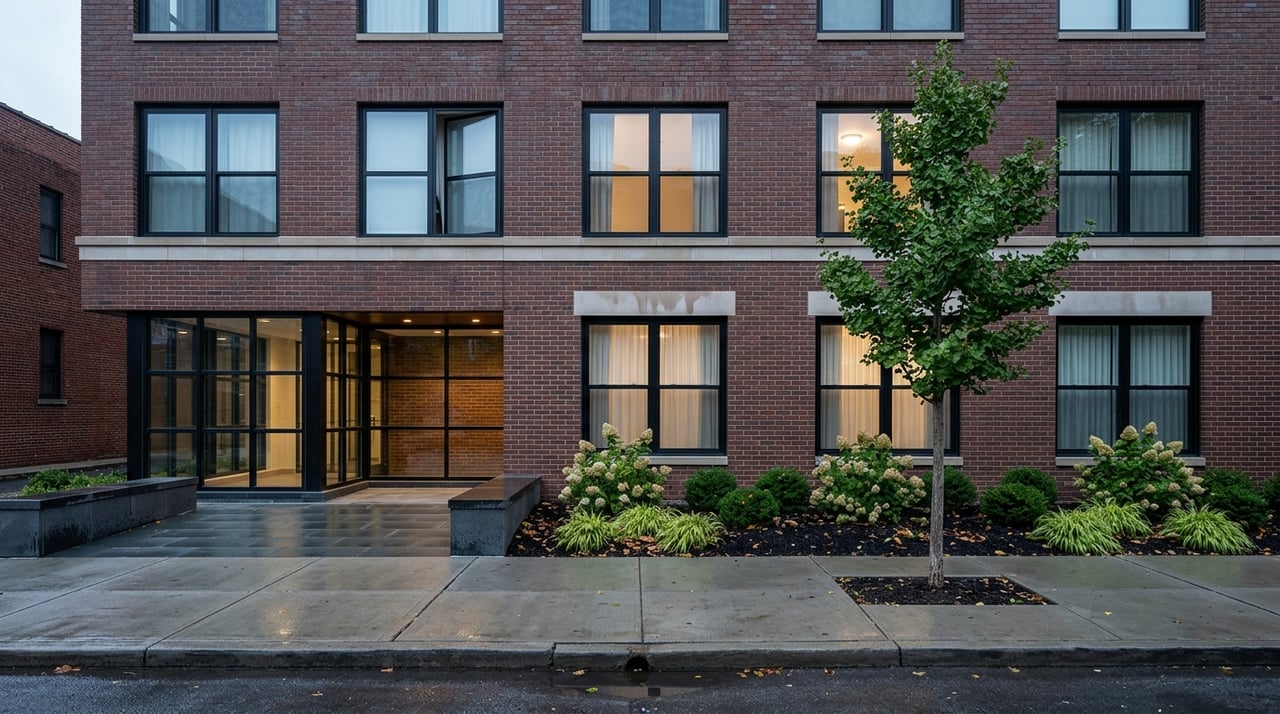
If you are thinking about buying in Queens, Rego Park deserves a closer look. It offers a mix of housing types, strong transit connections, and everyday convenience that can make your search feel more practical and less overwhelming. Whether you are a first-time buyer or simply comparing neighborhoods, this overview will help you understand what life and housing in Rego Park can actually look like. Let’s dive in.
What Rego Park feels like
Rego Park is officially described by Queens Community Board 6 as a residential-and-commercial neighborhood. That matters because it helps explain why the area feels different from a purely residential pocket of Queens.
In daily life, you will find a blend of apartment buildings, local services, restaurants, and major retail near Queens Boulevard and the 63rd Road and 63rd Drive corridor. Community Board 6 identifies this area as the neighborhood’s business hub, with Rego Park Mall and Rego Center anchoring the commercial core.
For buyers, that often translates into a neighborhood where convenience is part of the appeal. You are not just choosing a home. You are also choosing how close you want to be to shopping, transit, and day-to-day services.
Housing options in Rego Park
One of the most important things to know about Rego Park is that it is not a one-product neighborhood. According to Community Board 6, housing ranges from detached homes to apartment houses, and current listing platforms show co-ops, condos, rentals, and houses in the broader market.
That variety can be a real advantage when you are buying. It means two homes in Rego Park can offer very different ownership experiences depending on the block, building type, and rules tied to the property.
Co-ops, condos, and houses
Rego Park often comes up in buyer conversations because of its co-op options, but it would be inaccurate to think of it as mostly one thing. The neighborhood includes co-ops, condos, rental buildings, and some houses, which gives buyers multiple entry points into the market.
If you are early in your search, this matters a lot. A co-op may offer a different price point and approval process than a condo, while a house brings a completely different level of privacy, maintenance, and long-term planning.
Why building type matters
In Rego Park, product type can shape your experience as much as the neighborhood itself. Your monthly costs, financing path, ownership flexibility, and even your move-in timeline may depend more on whether you buy a co-op, condo, or house than on the ZIP code alone.
That is why buyers usually benefit from comparing homes by category first, then narrowing down by block and building style. In a mixed neighborhood like Rego Park, that approach can save you time and help you make better side-by-side comparisons.
Pricing and value in Rego Park
Current StreetEasy Rego Park data shows a median asking sale price of about $402,500, with a median asking rent around $3,228. The same page also shows separate pricing medians by property type, which reinforces an important point: price in Rego Park can vary a lot depending on what you are buying.
StreetEasy also places Rego Park at roughly $419 per square foot on average. Compared with nearby areas listed on the same platform, that puts Rego Park below Elmhurst at about $663 per square foot, below Middle Village at about $587, and below Glendale at about $525, while sitting above Corona at about $396.
For many buyers, the practical takeaway is simple. Rego Park often reads as a more value-oriented ownership option than some nearby Queens neighborhoods, especially if you are comparing it with higher-priced markets such as Elmhurst.
How Rego Park compares nearby
StreetEasy neighborhood pages also show Forest Hills around a $429,000 median sale price and Elmhurst around a higher median sale price. While every platform uses its own methodology, the broad pattern is useful: Rego Park tends to sit in a middle range rather than at the top of the local pricing spectrum.
That can make it appealing if you want strong convenience and transit access without automatically jumping into one of the more expensive nearby markets. Still, the right comparison is rarely just neighborhood to neighborhood. It is usually co-op to co-op, condo to condo, or house to house.
Transit and commuting convenience
Transit is one of Rego Park’s strongest lifestyle advantages. The MTA Queens Boulevard line maps show both 67 Av and 63 Dr-Rego Park stations serving the area, giving the neighborhood direct subway access on a major Queens corridor.
The MTA also lists bus connections tied to Rego Park, including the Q38, Q59, Q60, and Q72. That broader transit network can make it easier to move across Queens and into Manhattan without relying only on one subway stop.
Airport access is a bonus
One especially practical detail is that the Q72 provides service between Rego Park and LaGuardia Airport, according to the MTA. If you travel often, work unpredictable hours, or simply value another transportation option, that is a helpful perk.
Instead of focusing on exact travel times, which can change, it is more useful to think of Rego Park as a neighborhood with flexible transit choices. For many buyers, that flexibility is a major part of long-term livability.
Shopping and daily convenience
Rego Park stands out for how easy everyday errands can feel. Community Board 6 points to the neighborhood’s retail concentration around Queens Boulevard and 63rd Road and 63rd Drive, where Rego Park Mall and Rego Center are located.
That gives the area a more active, service-oriented character than some neighborhoods that are mostly residential. You may find that appealing if you want shopping, dining, and practical errands close to home.
Nearby, Queens Center Mall in Elmhurst adds another major retail option. Its official site describes it as a four-story enclosed mall with national brands, dining, and access by car and public transportation.
Public investment adds to the picture
Another useful neighborhood detail is the future of the local library. The city’s Department of Design and Construction says the Rego Park Library at 91-41 63rd Drive is being replaced with a new 18,000-square-foot, three-story building, with completion expected by the end of 2028.
The city also says mobile library service at the site began on January 8, 2026, and notes that the branch has been one of Queens Public Library’s busiest locations. For buyers, that points to something bigger than one building. It suggests ongoing public use and investment in neighborhood services.
What buyers should consider before purchasing
Rego Park can check a lot of boxes, but your best fit still depends on your priorities. Because the housing stock is mixed, it helps to get specific about what kind of ownership experience you want before you fall in love with a listing.
A few questions can help guide your search:
- Do you want a co-op, condo, or house?
- How important is subway access to your routine?
- Do you want to be close to major shopping and services?
- Are you comparing upfront price, monthly cost, or long-term flexibility?
- Would you rather focus on a quieter block or a more convenient location near the retail core?
When buyers answer those questions early, Rego Park becomes easier to navigate. Instead of treating the neighborhood as one uniform market, you can focus on the type of home and lifestyle that actually fits you.
Why Rego Park appeals to many buyers
Rego Park often appeals to buyers who want a practical Queens location with options. It offers a mix of housing, direct subway access, multiple bus routes, a strong retail core, and neighborhood services that support daily life.
It can also be a smart area to explore if you are trying to balance budget, convenience, and access to the rest of the city. That does not mean every listing is a fit, but it does mean the neighborhood gives you more than one path into ownership.
If you want help comparing co-ops, condos, or houses in Rego Park and nearby Queens neighborhoods, working with a local team can make the process much clearer. Skyline Residential helps buyers navigate Queens with practical guidance, clear communication, and local insight.
FAQs
Is Rego Park mostly co-ops for buyers?
- No. Rego Park has co-ops, condos, rentals, and some houses, so it is a mixed housing market rather than a co-op-only neighborhood.
Is Rego Park a good neighborhood for commuters?
- Yes. Rego Park has subway access at 67 Av and 63 Dr-Rego Park, plus bus service including the Q38, Q59, Q60, and Q72.
Does Rego Park offer convenient shopping for daily life?
- Yes. The neighborhood’s retail core includes Rego Park Mall and Rego Center, and Queens Center Mall is nearby in Elmhurst.
How affordable is Rego Park compared with nearby Queens neighborhoods?
- Current StreetEasy data suggests Rego Park sits in a middle price band, generally below higher-priced nearby areas like Elmhurst and Middle Village.
What should buyers compare first in Rego Park homes?
- Start by comparing property type. In Rego Park, co-ops, condos, and houses can differ significantly in price, monthly costs, and ownership experience.