What if you could live in a Queens neighborhood that feels leafy and historic on one block, then plugged into the rest of New York City on the next? That mix is exactly why Forest Hills continues to attract buyers and renters who want character, convenience, and everyday livability. If you are considering a move, this guide will help you understand Forest Hills architecture, local amenities, and transit so you can decide whether the neighborhood fits your lifestyle. Let’s dive in.
Forest Hills at a Glance
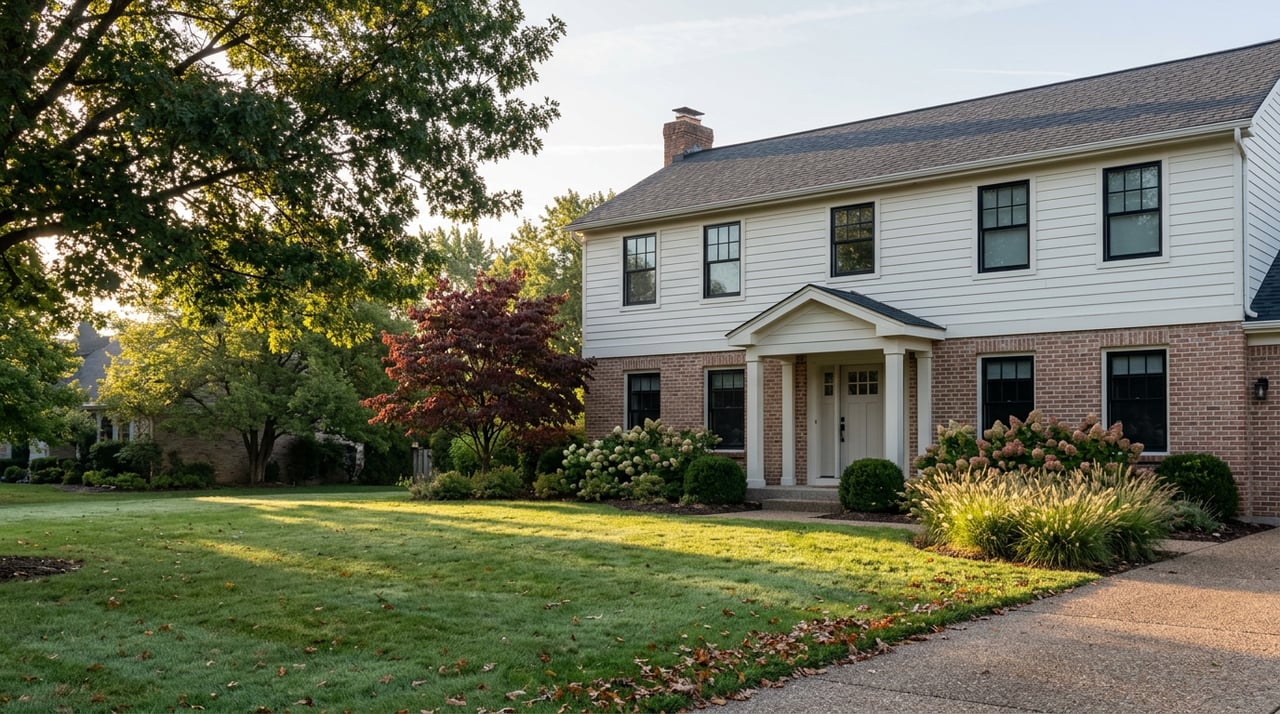
Forest Hills stands out because it does not feel one-note. Instead of one dominant housing style, the neighborhood offers a layered mix of residential options, from apartment buildings and co-ops to lower-density homes on quieter blocks.
According to Queens Community Board 6, Forest Hills includes both low- and high-density residential buildings, Tudor-style buildings in the middle of the neighborhood, and many rental, co-op, and condominium apartment complexes. That variety gives you more than one way to live here, depending on your budget, space needs, and commuting habits.
Architecture That Shapes the Neighborhood
Forest Hills has deep planning and design roots. Its modern identity began in the early 1900s after Cord Meyer purchased 600 acres in 1906, and the later Forest Hills Gardens project became the first planned garden community in the United States.
The Gardens, founded in 1909, were designed by Frederick Law Olmsted Jr. and Grosvenor Atterbury as a 142-acre planned community with differentiated streets, varied architecture, and intentional green space, according to NYC government history on Forest Hills. Today, the Forest Hills Gardens Corporation still maintains the community and reviews exterior architectural changes, which helps preserve its historic look.
Forest Hills Gardens character
If you are drawn to architecture and neighborhood design, Forest Hills Gardens is one of the most distinctive parts of the area. It is known for its planned layout, landscaped setting, and controlled exterior standards that help maintain a cohesive visual identity.
This section of the neighborhood also contains local landmarks tied to Forest Hills history and daily life. The MTA’s neighborhood guide notes that Forest Hills Stadium, a former US Open site and long-running concert venue, sits within Forest Hills Gardens alongside the West Side Tennis Club.
Housing types across Forest Hills
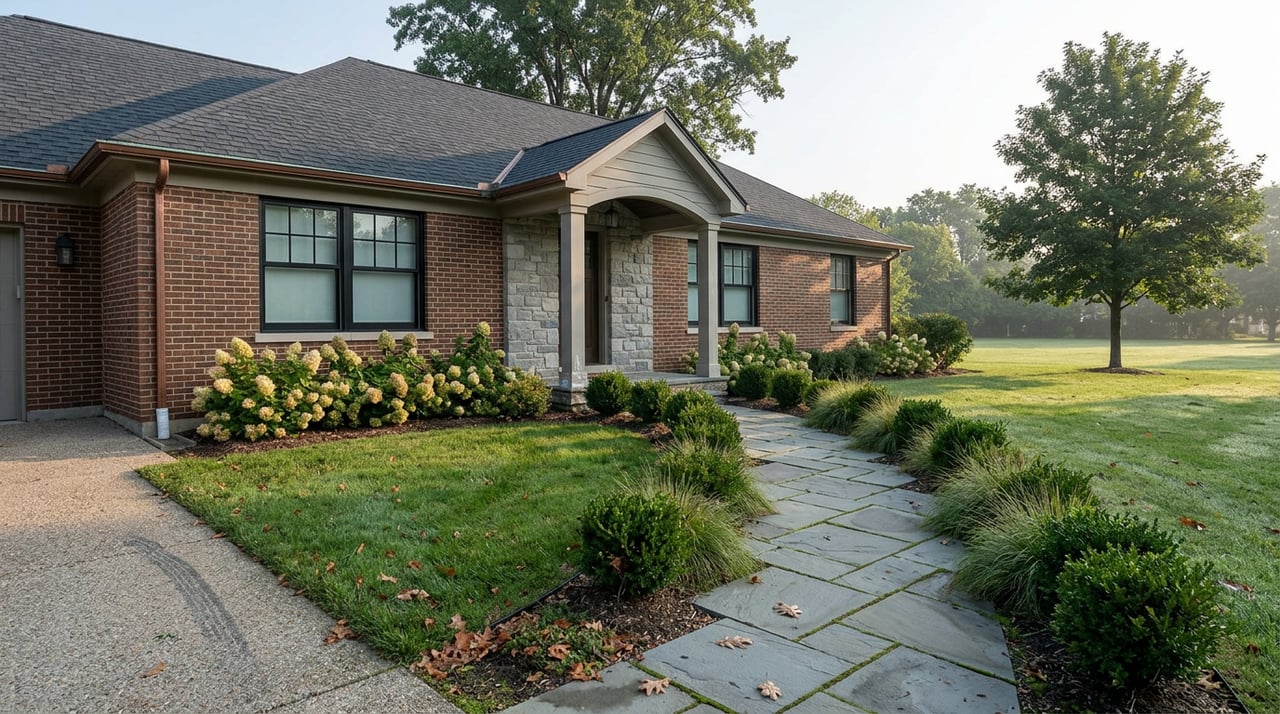
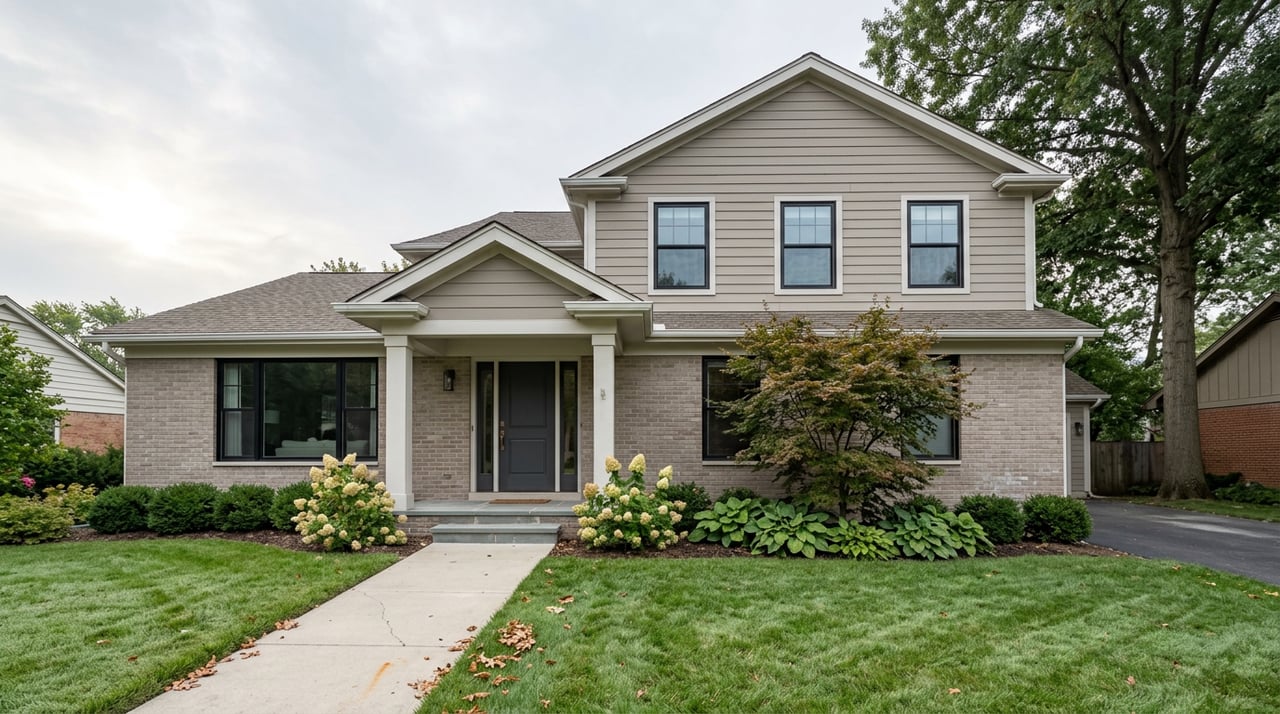
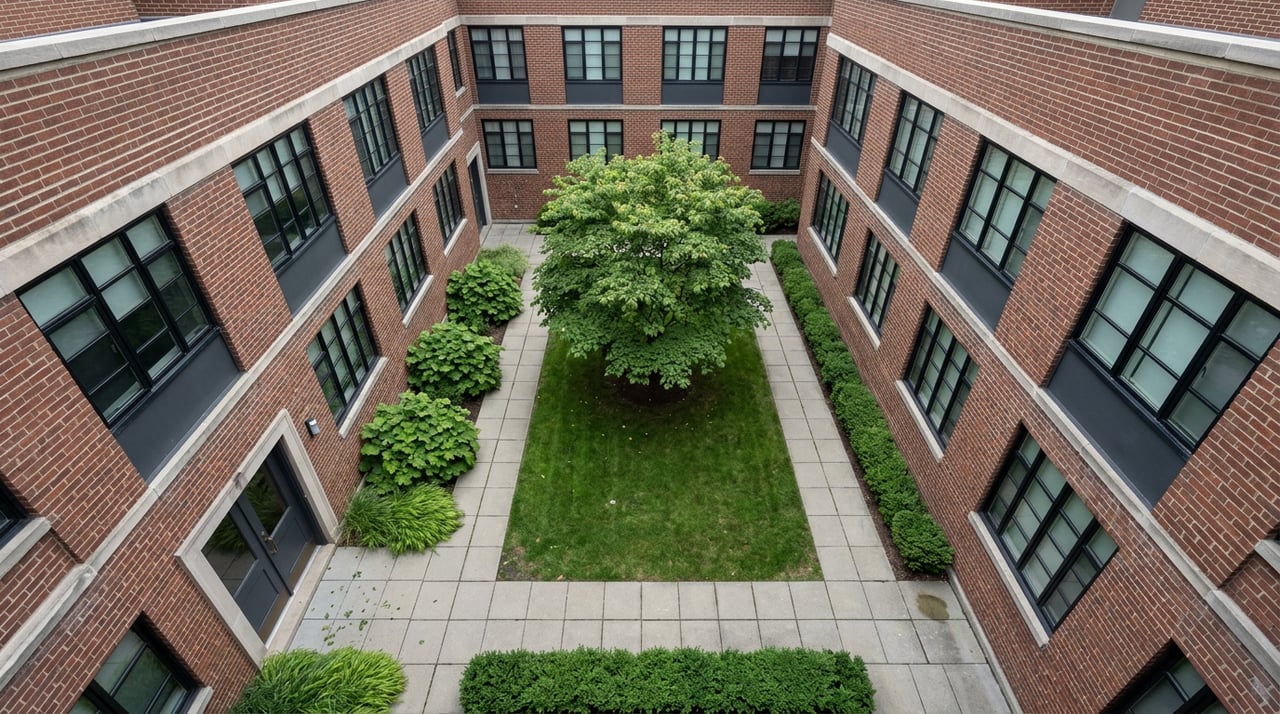
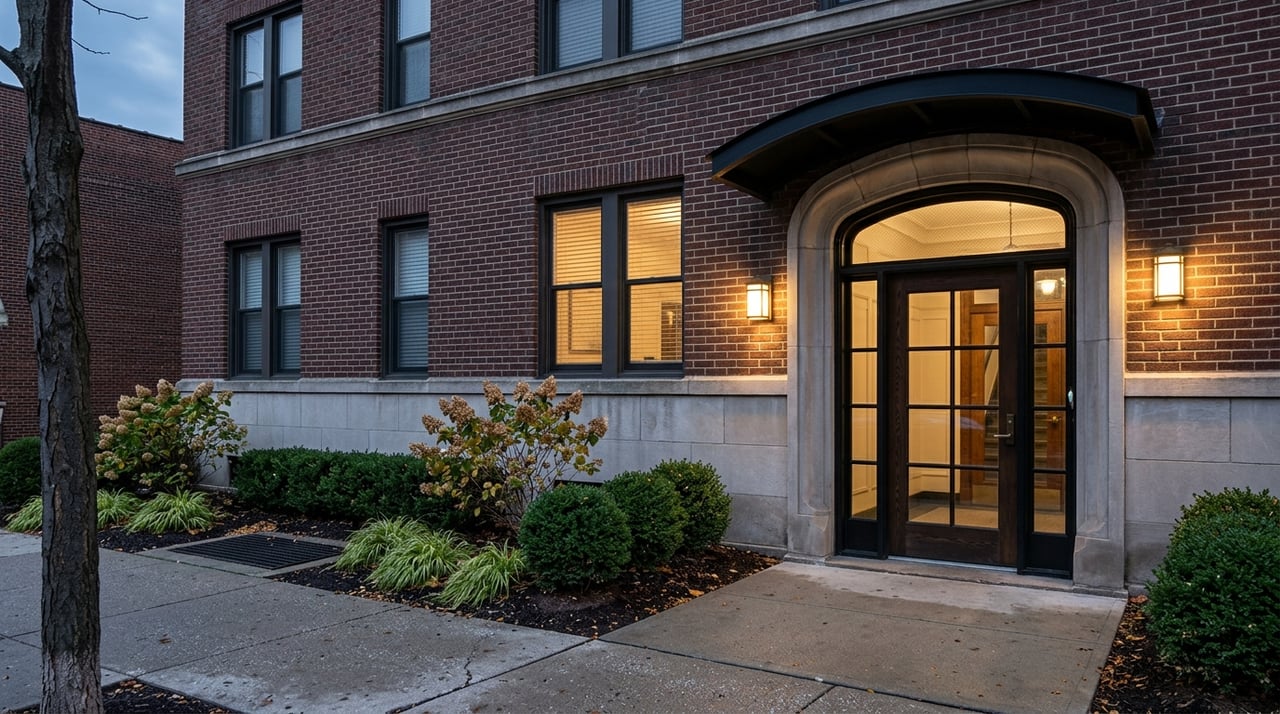
Outside the Gardens, Forest Hills offers a broader housing mix that appeals to many kinds of residents. The neighborhood includes prewar co-ops, apartment buildings, condos, and lower-density blocks with one- and two-family detached and semi-detached homes.
City Planning materials and Queens CB6 describe the southern portion as historically made up of one- and two-family homes, while other sections include denser apartment living. In practical terms, that means the neighborhood can feel suburban and urban depending on the block you are on.
Amenities That Support Daily Life
Forest Hills has a strong everyday rhythm. You are not just choosing housing here. You are choosing access to shopping, dining, green space, and neighborhood routines that make daily life easier and more enjoyable.
Queens CB6 describes Forest Hills as having a small-town feel by New York City standards, with street fairs, jazz concerts, cultural events, and a weekend Green Market in the area. That sense of local activity is part of what gives the neighborhood staying power.
Shopping and dining corridors
The neighborhood’s main commercial activity centers around a few key streets. Queens Community Board 6’s district profile identifies Austin Street and Continental Avenue as the most active retail strip, with small shops, chain stores, and restaurants.
The same profile notes that 108th Street is known for Russian specialties, while Metropolitan Avenue has specialty shops, restaurants, and antique stores. For you as a resident, that means daily errands, dining out, and casual weekend browsing can all happen close to home.
Forest Hills Greenmarket
For many residents, the Sunday Greenmarket is part of the neighborhood routine. The Forest Hills Greenmarket operates year-round on Sundays at Queens Boulevard and 70th Avenue, in front of the Forest Hills Post Office.
GrowNYC says the market offers locally grown produce, seasonal community programming, and compost drop-off. If you value walkable neighborhood habits, this is one of Forest Hills’ clearest examples of community life in action.
Forest Park access
Green space is one of Forest Hills’ biggest lifestyle advantages. Nearby Forest Park gives residents access to a major outdoor amenity that is much larger and more varied than a typical neighborhood park.
According to NYC Parks, Forest Park spans 506.86 acres, making it the third-largest park in Queens. It includes hiking trails, bridle paths, a golf course, a skate park, and the borough’s largest continuous oak forest.
Transit in Forest Hills
Transit is one of the neighborhood’s strongest selling points. Forest Hills offers multiple ways to get around, which matters whether you commute regularly, travel across Queens, or simply want flexibility.
Subway access
The main subway stop is 71 Av-Forest Hills. The MTA guide to Forest Hills says this ADA-accessible station is served by the E, F, M, and R trains and is the best choice for reaching the heart of the neighborhood and Austin Street.
The same guide also notes that it is the closest subway stop to Forest Hills Stadium. That is especially useful if you expect frequent neighborhood activity around concerts and events.
LIRR option and bus links
Forest Hills also offers a second rail option through the Long Island Rail Road. The Forest Hills LIRR station page lists the station as an accessible City Zone stop with connections to the Q23, Q60, Q64, and Q74 buses.
That gives you another layer of flexibility beyond the subway. For some residents, having both subway and commuter rail access is a major reason the neighborhood feels practical for long-term living.
One transit limitation to know
Not every part of Forest Hills has the same feel when it comes to transit convenience. The MTA notes that there are no subway stations on Metropolitan Avenue, so residents on the south side of the neighborhood often rely on walking, bus service, or a connection through the 71 Av-Forest Hills hub.
That does not make the area inaccessible, but it can change your day-to-day routine depending on exactly where you live. If transit is a top priority, block-by-block location matters.
Weekend service changes through 2027
There is also a current transit detail worth paying attention to. The MTA service change update says accessibility work at Forest Hills Station will continue through early 2027, with some weekend service changes.
The agency also notes that westbound riders may sometimes need to use the first four cars to exit. During affected weekends, the subway is accepting LIRR tickets at several stations, including Forest Hills-71 Av, which can be helpful for weekend commuting and concert travel.
What Buyers and Renters Can Expect
Forest Hills attracts both renters and owners, and the housing mix reflects that balance. If you are trying to understand the market, the best broad proxy in the provided data comes from the combined Rego Park and Forest Hills profile by the NYU Furman Center.
According to the Furman Center neighborhood profile, the area ranked as the city’s 19th most expensive rent neighborhood out of 59, with a 2023 real median gross rent of $2,020, a homeownership rate of 49.7%, and a 2.3% rental vacancy rate. Because the data combines Rego Park and Forest Hills, it works best as a general market guide rather than a Forest Hills-only snapshot.
The same source reports median household income of $95,200 in 2023 and shows 2,024 new housing units added from 2010 to 2024, including 1,671 market-rate units and 353 income-restricted units. Together, those numbers point to a neighborhood with a large base of older housing stock, steady infill development, and a meaningful mix of renters and owner-occupants.
Why Forest Hills Appeals to So Many Buyers
Forest Hills works for many people because it offers options. You can find architectural character, established retail streets, major green space, and strong transit in one neighborhood without feeling locked into a single housing type.
That flexibility matters whether you are buying your first co-op, searching for a condo, renting while you plan your next move, or looking for a one- or two-family home in Queens. The neighborhood’s appeal comes from how those pieces work together in everyday life.
How to Evaluate Forest Hills Block by Block
If you are seriously considering Forest Hills, it helps to look beyond the neighborhood name and focus on the exact location. One apartment may place you steps from Austin Street and the subway, while another may offer a quieter setting closer to Metropolitan Avenue or lower-density housing.
As you compare homes, pay attention to:
- Your walking distance to the 71 Av-Forest Hills station or LIRR
- Whether you prefer apartment living, co-op ownership, condo ownership, or a house
- Your access to daily retail corridors like Austin Street or Metropolitan Avenue
- How often you expect to use Forest Park, the Greenmarket, or event venues like Forest Hills Stadium
- Whether weekend service changes could affect your routine over the next few years
Forest Hills is one of those neighborhoods where the details really shape the experience. The right fit depends on how you want your home, commute, and daily routine to work together.
If you are thinking about buying, selling, or renting in Forest Hills, working with a local team can help you compare building types, narrow down blocks, and make sense of the neighborhood’s many options. Skyline Residential offers practical, hands-on guidance across Queens, whether you are exploring co-ops, condos, rentals, or single-family homes.
FAQs
What is the housing mix like in Forest Hills, Queens?
- Forest Hills includes prewar co-ops, apartment buildings, condos, and lower-density one- and two-family homes, with areas like Forest Hills Gardens adding a more historic planned-community setting.
What are the main shopping streets in Forest Hills?
- Austin Street and Continental Avenue form the neighborhood’s main retail corridor, while 108th Street and Metropolitan Avenue also offer specialty shops, restaurants, and other local businesses.
What park access do Forest Hills residents have?
- Residents have access to nearby Forest Park, a 506.86-acre Queens park with hiking trails, bridle paths, a golf course, a skate park, and extensive oak forest areas.
What subway and rail service does Forest Hills offer?
- Forest Hills is served by the E, F, M, and R trains at 71 Av-Forest Hills, and it also has LIRR service at Forest Hills station with bus connections including the Q23, Q60, Q64, and Q74.
What transit issue should Forest Hills residents know about right now?
- MTA accessibility work is continuing through early 2027, which may bring some weekend service changes and boarding or exit adjustments for certain westbound trips.
Is Forest Hills a good fit for buyers who want variety?
- Forest Hills can be a strong fit if you want a neighborhood with multiple housing types, established retail streets, substantial green space, and strong transit connections in Queens.