Wondering whether Rego Park makes more sense for a co-op or a condo purchase? You are not alone. For many buyers in Queens, Rego Park stands out because it offers apartment-style ownership, strong transit access, and a wider range of price points than many people expect. If you are trying to understand how the local housing stock, pricing, and lifestyle fit together, this guide will help you make sense of it. Let’s dive in.
Rego Park At A Glance
Rego Park is part of Queens Community Board 6, and the neighborhood includes a mix of dwellings ranging from detached homes to apartment houses. Its main commercial hub centers around 63rd Road, 63rd Drive, and Queens Boulevard, including major retail destinations like Rego Park Mall and Rego Center.
For buyers, the big story is that Rego Park is an apartment-oriented ownership market. Current neighborhood listing data shows a much larger co-op presence than condo presence, with 106 co-ops for sale and 24 condos for sale out of 153 total sale listings. That makes Rego Park especially relevant if you want to compare ownership options without leaving Queens.
Rego Park Housing Stock
Apartment Buildings Shape The Market
Rego Park is not primarily a townhouse neighborhood. NYC Planning data shows that 65.9% of housing units are in structures with 20 or more units, which helps explain why so much of the local ownership market is made up of co-op and condo apartments.
The neighborhood also has depth in its building stock. About 21.4% of the housing was built in 1939 or earlier, and the broader Rego Park and Forest Hills market added an estimated 2,755 new units from 2010 to 2025, mostly market-rate. In practical terms, that means you are looking at a layered market rather than a one-style-fits-all neighborhood.
Older Co-Ops Are A Major Presence
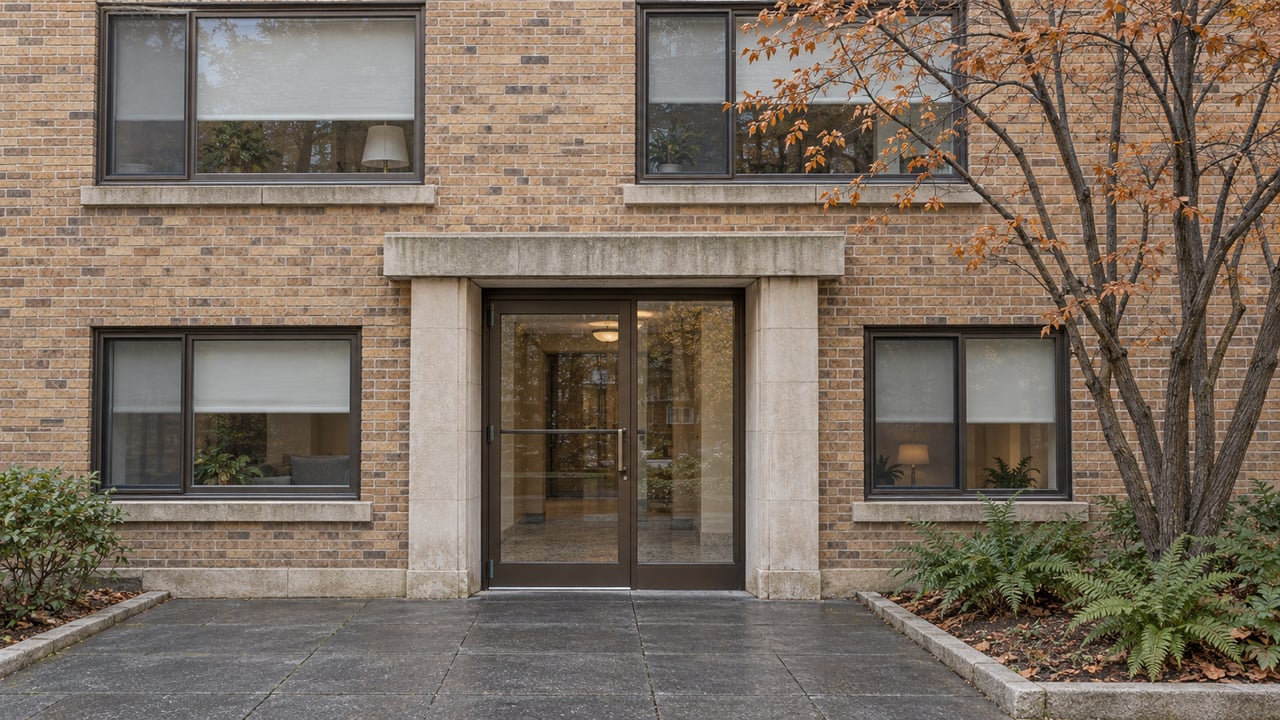
Many established Rego Park co-ops are mid-century elevator buildings with practical, everyday amenities. A local example is 99-31 64th Avenue, a 1947 co-op building with 98 units and 6 stories that includes features such as an elevator, laundry room, bike room, and live-in superintendent.
This helps set realistic expectations when you tour older co-ops in the area. Instead of luxury-style amenity packages, you are more likely to see functional building services and larger established apartment-house formats.
Condos Tend To Be Fewer And Newer
Condos are a smaller share of the ownership mix, but they are still an important part of the market. They often skew newer or offer a more upgraded amenity package than older co-ops.
One example is Luxury Austin at 65-18 Austin Street, a 2022 condo building with 60 units and 8 stories. Features there include a gym, doorman, elevator, central air, laundry, washer and dryer, and in some cases private outdoor space. That gives you a sense of what newer condo inventory can look like in Rego Park.
Co-Op Vs Condo Pricing
Co-Ops Usually Offer Lower Entry Prices
Current listing medians show a clear pricing gap between co-ops and condos in Rego Park. Co-op studios are listed at a median of $199,500, one-bedroom co-ops at $309,000, and two-bedroom co-ops at $437,500.
Those numbers help explain why co-ops are often the first stop for buyers who want a more accessible ownership entry point in Queens. NYC Finance sales records from 2024 also show multiple elevator co-op transactions in Rego Park, mostly in the mid-$200,000s to $500,000s.
Condos Usually Command A Premium
On the condo side, median listing prices are notably higher. Condo studios are listed at $462,500, one-bedroom condos at $480,000, and two-bedroom condos at $649,000.
Current active listings show a similar pattern. One-bedroom condos are often priced from the mid-$400,000s to low-$600,000s, while two-bedroom condos commonly range from the low-$600,000s into the $800,000s, with at least one three-bedroom penthouse listed at $1.375 million.
The Overall Value Position
The neighborhood’s overall sale median is $398,000. StreetEasy also lists Rego Park at an average of $431 per square foot, which places it below Elmhurst, Middle Village, and Glendale, and above Corona.
That puts Rego Park in a middle-value band among central and western Queens neighborhoods. If you want a location with apartment ownership options and strong transit access, but you are not targeting the top of the local price ladder, Rego Park may deserve a closer look.
What Buyers Can Expect Day To Day
Retail And Errands Are Convenient
Daily life in Rego Park is shaped in part by the Queens Boulevard retail corridor. With the commercial center around 63rd Road, 63rd Drive, and Queens Boulevard, the neighborhood offers a practical setup for running errands, shopping, and handling routine day-to-day needs close to home.
That convenience matters when you are choosing between neighborhoods with similar apartment prices. A home is not just about the unit itself. It is also about how easy your regular routine feels once you move in.
Transit Is A Major Draw
Rego Park is strongly transit-oriented. The area includes access to the M and R lines at 63rd Drive-Rego Park and 67th Avenue, along with nearby E, F, R, and Long Island Rail Road access in Forest Hills.
For many buyers, this is one of the neighborhood’s biggest advantages. If you value car-free or lower-car living, transit access can be just as important as square footage or in-building amenities.
Key Differences Between Co-Ops And Condos
What A Co-Op Purchase Means
In New York, buying a co-op is different from buying a condo. The New York Attorney General explains that co-op buyers are purchasing shares in a corporation that owns the building, and buyers should read the full offering plan and consult an attorney before signing a purchase agreement.
That distinction matters a lot in Rego Park because co-ops make up such a large share of the local ownership market. If you are new to the process, understanding the structure of ownership is just as important as comparing price points.
Why Some Buyers Prefer Condos
Condos in Rego Park generally offer a different value proposition. Based on current inventory and pricing patterns, condos more often provide newer construction, broader amenity packages, and easier resale flexibility, while co-ops more often provide lower entry pricing.
That does not mean one option is always better. It means the right fit depends on your budget, timeline, and what kind of ownership experience you want.
How To Think About Your Search
Look Beyond The Asking Price
In Rego Park, building age, maintenance levels, amenity mix, and the overall feel of the building can shape your experience as much as the listing price. Two apartments with similar square footage may offer very different day-to-day value depending on the building.
That is why it helps to compare homes in context. A lower-priced co-op may give you a larger footprint or better value for entry, while a higher-priced condo may offer a newer building and added convenience.
Match The Building To Your Priorities
As you narrow your options, it can help to focus on what matters most to you:
- If budget is the priority, co-ops may offer more accessible starting points.
- If newer finishes matter most, condos may offer more recent construction.
- If amenities are important, newer condos may include more in-building features.
- If transit and errands matter, both co-ops and condos in Rego Park can benefit from the neighborhood’s location and retail core.
Work With Local Guidance
Rego Park is not a one-note market. It includes older co-ops, postwar apartment houses, and newer condo development, which means the right purchase often comes down to details that do not show up in a quick online search.
Having local guidance can make it easier to compare buildings, understand pricing, and avoid wasting time on properties that do not match your goals. In a neighborhood with this much variety, a clear strategy can go a long way.
If you are exploring co-ops or condos in Rego Park and want practical guidance tailored to your budget and priorities, reach out to Skyline Residential & Commercial Inc. for thoughtful local support.
FAQs
What is the main difference between co-ops and condos in Rego Park?
- In Rego Park, co-ops generally offer lower entry prices, while condos are fewer in number and often come with newer construction or more amenities.
Are co-ops more common than condos in Rego Park?
- Yes. Current neighborhood listing data shows 106 co-ops for sale and 24 condos for sale, making co-ops the much larger part of the ownership market.
What price range should you expect for a Rego Park co-op?
- Current median listing prices show co-op studios at $199,500, one-bedrooms at $309,000, and two-bedrooms at $437,500.
What price range should you expect for a Rego Park condo?
- Current median listing prices show condo studios at $462,500, one-bedrooms at $480,000, and two-bedrooms at $649,000.
What kinds of buildings are common in Rego Park?
- Rego Park is largely apartment-oriented, with many housing units in buildings with 20 or more units, including older elevator co-ops and some newer condo buildings.
Why do buyers consider Rego Park for apartment ownership?
- Many buyers look at Rego Park because it combines apartment ownership options, strong transit access, a major retail corridor, and pricing that sits in a middle-value range for central and western Queens.